What is lateral movement
Lateral movement is a type of cyberattack where an attacker gains access through phishing or malware on one endpoint, which may be an employee’s laptop or any other weaker system.
After the initial network entry, attackers move sideways across systems to find valuable data. They steal usernames, passwords, password hashes, or tokens from the compromised system.
Using these credentials, they move from a single compromised device to core servers or other computers, servers, or cloud services within the network as if they were legitimate users, disrupting operations or stealing sensitive information.
This escalation of an attacker can be of three types: horizontal, vertical, and hybrid. In horizontal movement, they move from one system to another with the same access. In vertical movement, they can go from a normal user to a privileged user, which can lead to serious data breaches and ransomware.
Best Lateral Threat Prevention Software Platform 2026
To prevent lateral threats, there are many lateral threat prevention platforms and Zero Trust solutions available in the market, but choosing the best one is crucial for your organization’s cybersecurity. We researched multiple types of software and 50+vendors that can help you prevent lateral threats while keeping you compliant with industry standards. Below are the types of softwares, which can help you to prevent from lateral threats.
1) Endpoint Detection and Response (EDR) Software:
EDR tools provide continuous, real-time monitoring of network endpoints such as laptops, servers, and mobile devices. They use analytics to detect suspicious behavior like lateral movement and ransomware attacks and enable rapid, automated responses such as isolating devices or stopping malicious processes. These tools offer deeper visibility than traditional antivirus and support proactive threat hunting and incident response.
There are many EDR solutions available in the market, but some popular examples are Sophos Endpoint, CrowdStrike, and SentinelOne.
2) Network Segmentation and Micro-Segmentation:
Network segmentation divides a network into broader zones (like departments) for basic security, while micro-segmentation takes it further by creating small, isolated security perimeters around each workload or application. This allows granular, zero trust policies that stop attackers from moving laterally even within the same segment. Network segmentation is similar to locking floors in a building, while micro-segmentation locks every single room.
Segmenting networks limits attacker movement and makes lateral threats harder to execute.
Some popular micro-segmentation tools include Cisco Secure Workload, VMware NSX, and Illumio.
3) Identity and Access Management (IAM):
Identity is the new perimeter. Identity and Access Management (IAM) is a framework of policies, processes, and technologies that manages digital identities and controls user access to an organization’s resources. It ensures the right individuals have access to the right resources at the right time, improving security by preventing unauthorized access with features like Multi Factor Authentication (MFA) and streamlining access with tools like Single Sign-On (SSO).
Top IAM contenders include Okta, CyberArk, SailPoint, and Ping Identity.
4) Privileged Access Management (PAM):
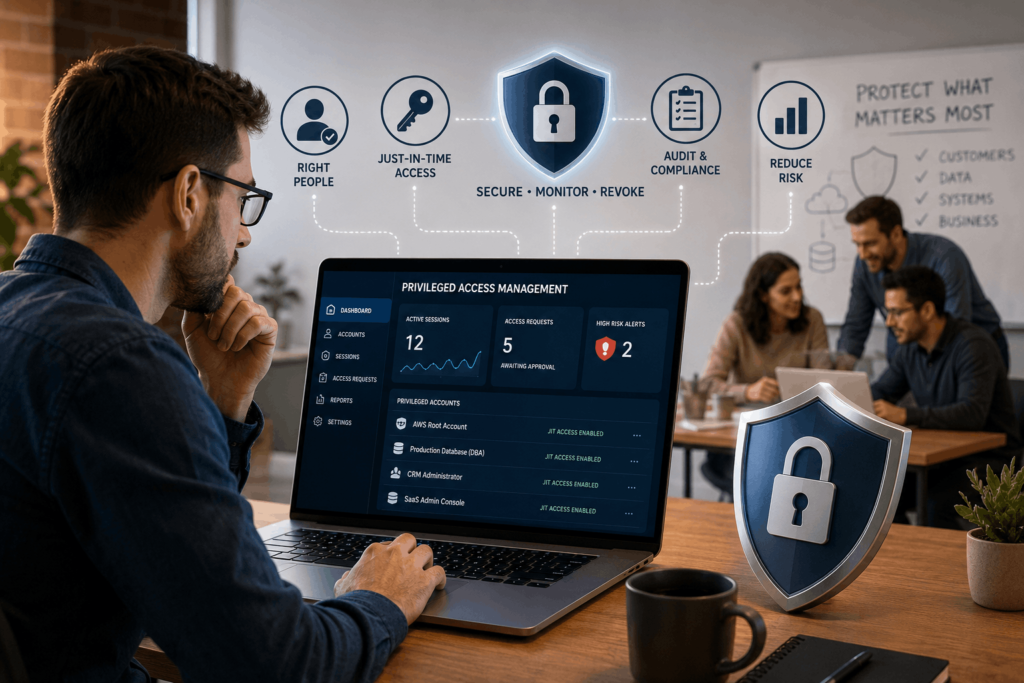
Privileged Access Management (PAM) is also considered a subset of IAM. It is a security suite that protects top-level, privileged access. PAM reduces access to sensitive resources using the principle of least privilege, giving users only the access required to perform their tasks. Access is time-bound with Just-in-Time features, which automatically revoke access after the work is completed. PAM records and monitors every privileged activity, detects anomalies, and terminates sessions to prevent unauthorized actions.
PAM helps mitigate lateral threats by preventing unauthorized users from moving across systems. Top PAM solution providers include CyberArk, miniOrange PAM, BeyondTrust, and Delinea.
5) Threat Intelligence Platforms:
A Threat Intelligence Platform (TIP) is a cybersecurity tool that collects, aggregates, and analyzes threat data from multiple sources to provide actionable insights and improve an organization’s security posture. These platforms help security teams prioritize threats, enrich alerts with context, and integrate with other security tools for faster detection, response, and mitigation.
Top contenders in this space include ThreatConnect, Anomali, and Mandiant.
Final Thoughts:
As we move in 2026, cyberthreats including lateral movement and privilege escalation are increasing significantly. To secure your IT environment, a lateral threat prevention solution is essential. There are many software providers in the market, but it is necessary to consider your requirements, budget, and current tech stack. The above list will help you understand the different types of software that can assist in protecting your IT environment.